Hedge Trimming in Blackfriars
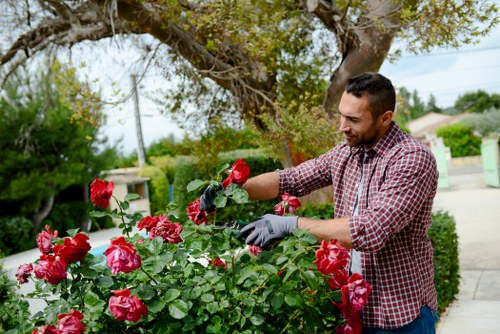
Hedge trimming in Blackfriars is a practical way to keep formal and informal boundaries neat, manageable and suited to the shape of each planting. We cut back new growth with attention to line, balance and plant health, so hedges remain dense rather than becoming thin, top-heavy or uneven. Our service is for homeowners, landlords and commercial premises that need straightforward hedge care as part of wider garden maintenance.
Good hedge work starts with understanding the plant type, the season and the result you want to maintain. Some hedges are best kept crisp and level, while others benefit from a softer finish that follows the natural growth habit. We can carry out regular hedge maintenance or a one-off tidy-up, depending on how much the hedge has grown and how sharply it needs to be reduced. If you need a broader external tidy, our garden maintenance service can be used alongside hedge care.
The best way to request a quotation is to describe the hedge length, approximate height and whether you want a simple trim or more noticeable reduction. If there are access issues, awkward corners or adjacent planting to protect, include that too. You can also make an enquiry here when you are ready for a tailored response.
Regular hedge care and shaping
Consistent trimming helps hedges hold their outline and encourages more even growth across the whole line. We can work on boundary hedges, front garden features and screening plants that need a tidy finish without taking them back too hard. The aim is a clean result that suits the property and keeps the hedge within the size you want to maintain through the year.
For many properties, the main decision is how formal the hedge should look. A neatly squared profile may suit a terrace frontage or entrance path, while a more natural line may be better for mixed planting. We can shape the sides, top and ends so the hedge feels balanced, and we can adjust the finish to leave enough growth for the plant to recover well after cutting. Careful trimming matters because hedges are living structures, not just green barriers.
If a hedge has been left too long between cuts, it may need more than a light clip. In those cases, reducing the outer growth gradually can be better than taking too much off at once. Where branches are thick, woody or crossing, the work may need more time and a steadier approach. For related outdoor work, garden clearance can help when overgrowth extends beyond the hedge line.
Reducing height, width and overgrowth

Some hedges need more than shaping and benefit from controlled reduction. That may mean lowering the top, bringing the sides back within the available space or easing growth away from paths, walls and driveways. We approach this carefully so the hedge still looks intentional after the cut rather than abruptly shortened. The right reduction depends on species, thickness and the amount of growth that has built up since the last trim.
Where hedges are already pressing into boundaries or narrowing access, a reduction can restore usable space without removing the planting completely. It is often better to plan the cut in stages, especially with mature hedging or plants that respond best to gradual work. If the hedge sits as part of a larger landscaping scheme, you may also want to review landscaping options for adjoining beds, paths or borders.
We also consider what sits beneath and around the hedge before work begins. Delicate plants, lighting, edging, fencing and nearby hard surfaces all affect how the trim should be carried out. A tidy reduction can improve the appearance of the whole frontage and make the space easier to keep in order afterwards. It is often the simplest way to bring a tired hedge back into a proper boundary line.
Hedge trimming alongside wider garden work
Hedge trimming rarely happens in isolation. Many customers want the hedge cut at the same time as other garden jobs so the whole outdoor space feels more settled afterwards. We can plan hedge work alongside lawn care, border tidying and general cutting back, which is useful when a garden has lost its structure. This keeps the result coherent instead of leaving one feature neat and the rest unfinished.
Where hedges form part of a front or rear garden used daily, timing matters as much as technique. Cutting back before a season of heavier growth can reduce how quickly the hedge becomes untidy again, while a late-season tidy may help prepare the space for lower-maintenance weeks. If your garden needs additional planting or reshaping, landscape gardening may be relevant for creating a better long-term layout.
Our approach is designed to be practical for occupied properties, managed homes and business premises that need order without unnecessary disruption. We can work around gates, side returns, outdoor storage and other features that affect access. Clear access and a clear brief help the job run smoothly, but the work itself should remain focused on producing a hedge that looks well kept and sits properly within its space.
Choosing the right finish for your hedge

Different hedges suit different finishes, and a good trim respects both the plant and the property setting. Some customers want a sharp, architectural look with level tops and straight sides, while others prefer a softer edge that blends into surrounding planting. The right finish depends on the hedge species, its purpose and how much definition the space needs. We can discuss whether the aim is privacy, decoration or simple boundary control.
Common hedge decisions often include how dense the hedge should remain, whether the top should be kept level, and how much of the current size needs to be retained. A quick trim can improve appearance without changing the overall footprint too much, while a more substantial cut may be needed if the hedge has outgrown its line. If nearby trees are contributing to the overall overgrowth, tree lopping and removal may be worth considering as part of the wider plan.
We keep the service focused on visible results and sensible maintenance rather than unnecessary disturbance. In practice, that means trimming in a way that supports future regrowth and reduces the chance of the hedge becoming patchy. A well-finished hedge should look neat from both the garden side and the street side, with the cut matching the property rather than drawing attention to the work itself.
Keeping garden edges and surfaces tidy
Hedge trimming often reveals where the rest of the garden needs attention. Once the hedge line is tidy, borders, edges and surrounding surfaces are easier to judge, and small issues become more obvious. We can work in a way that helps the whole outdoor space feel ordered, especially where a hedge frames a lawn, path or paved area. This is useful for properties that want a practical finish rather than an ornamental one.
For some gardens, the hedge is part of a visual sequence that starts at the front boundary and continues into the rear space. In that case, trimming should support the overall flow, not just shorten growth. If the lawn also needs steady upkeep, lawn mowing can be combined with hedge work so the main elements of the garden are treated together. That gives a more complete result and can make aftercare simpler.
When hedges are close to paving or ornamental edging, the cut should avoid leaving debris where it will stain, block drains or spoil the finish. We aim to leave the area orderly once the trimming is complete, with the hedge itself forming a clean line rather than a messy edge. Attention to detail matters most when the hedge is seen every day from doors, windows or a main walkway.
Planning hedge work and understanding price factors

Quotation requests are usually easiest when the hedge size, number of sections and general condition are explained clearly. A straightforward trim on a smaller hedge is very different from a larger or neglected hedge that needs more time and care. Access also matters, especially where the hedge runs along a narrow side return, over a slope or beside delicate surfaces. These factors help shape a sensible quotation without guesswork.
It is also helpful to note whether you want routine maintenance, a one-off reduction or a full tidy across multiple garden features. A quote can then reflect the scale of the work rather than treating every hedge as the same. If you are also thinking about hard landscaping or a garden refresh, our services overview is a useful place to compare the main options before you decide what to include.
For best results, try to describe the hedge as it stands now and the outcome you want from the trim. If the hedge has become too tall to maintain comfortably, or if the line is uneven after previous cutting, say so in the enquiry. That makes it easier to prepare an accurate response and recommend the most suitable approach for the site.
About Blackfriars
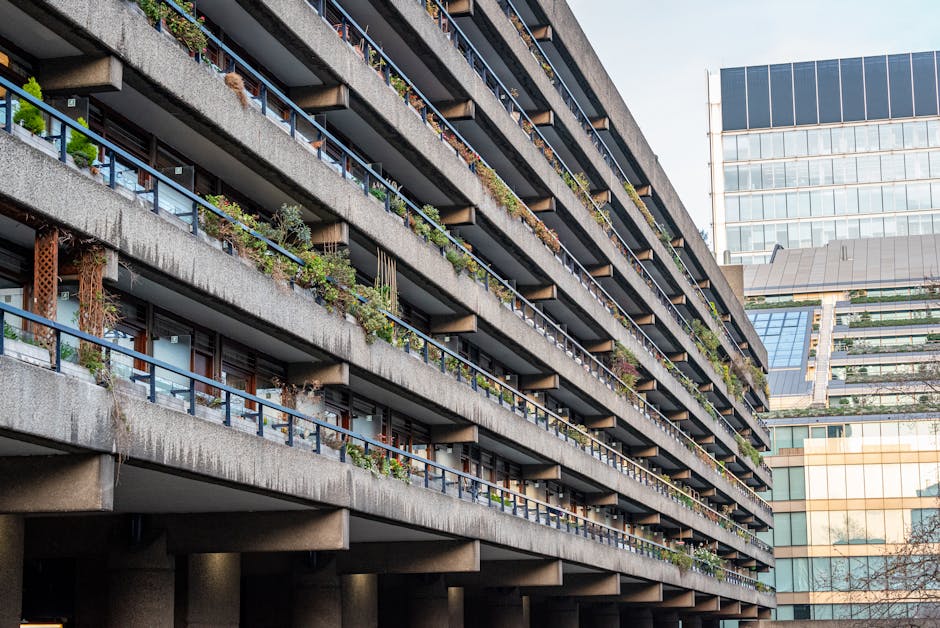
Blackfriars sits on the north bank of the River Thames in central London, with the river and the city’s historic streets forming a dense urban setting shaped by centuries of change. The name is linked to the Dominican friary established in the 13th century, whose history still gives the district its identity. Today the area is associated with a mix of transport infrastructure, office buildings, civic spaces and riverside walking routes, all packed into a part of London where older patterns and modern development sit close together. Blackfriars Bridge and Blackfriars Station are among the best-known landmarks, connecting the district across the river and into the wider rail network. To the east and west are other central London districts with their own distinct character, while the river frontage provides long views and a sense of openness that contrasts with the busy streets behind it. The surrounding streets contain a layered mix of commercial architecture, post-war rebuilding and restored historic fragments, and the area’s location near the City gives it a strong everyday function as well as historical interest. Nearby public spaces and waterfront paths are used by walkers, commuters and visitors, and the river itself remains one of the most defining features of the place. As a district, Blackfriars is compact but nationally recognisable, shaped by transport, trade, ecclesiastical history and the continual reuse of central London land.
Practical trimming for homes, managed properties and business premises
Hedge trimming in Blackfriars is often needed by a mixture of property types, from compact private gardens to managed entrances and screened boundaries. The work should be adapted to the site rather than treated as a standard routine everywhere. We can keep the focus on shape, size and cleanliness, whether the hedge acts as a visual feature, a privacy screen or a simple division between spaces. The point is to leave a result that suits the property’s daily use.
Where several outdoor tasks need attention, it can help to organise them together rather than addressing each one separately. Hedging, borders and general garden upkeep often sit well beside one another when the goal is a consistent finish. If you are comparing options for external maintenance, garden maintenance can support ongoing care while hedge trimming handles the more obvious growth control. Keeping the work grouped sensibly can make the whole space easier to manage.
If you need a quotation, send the hedge details, the approximate scale of the work and any access information you think is relevant. There is no need to overcomplicate it: a clear description is usually enough to start the process. Request a quote today and we will help you work out the right hedge trimming approach for your Blackfriars property.
Supporting tidy outdoor spaces over time

Hedges do not stay neat for long if they are left without regular attention, especially in active central locations where planting competes with limited space. Trimming on a sensible schedule helps the hedge keep its form and reduces the need for more severe cutting later. For many customers, the value lies in making the garden feel deliberate and cared for rather than overrun. A clean hedge line can change how the whole space reads.
Sometimes the best result comes from combining a measured cut with wider improvement work. A hedge may be part of a more extensive plan that includes new boundaries, improved planting structure or clearer routes through the garden. If you are considering a broader refresh, pricing and quotes can be a useful next step when you want to understand how different types of work may be approached.
For a straightforward start, use the quote request process to describe what the hedge looks like now and what finish you want to achieve. If you are ready to move ahead, you can send your details here and ask for a quotation. That gives us the clearest basis for responding with a practical hedge trimming proposal for Blackfriars.